
Making Sense of the Second Life Economy
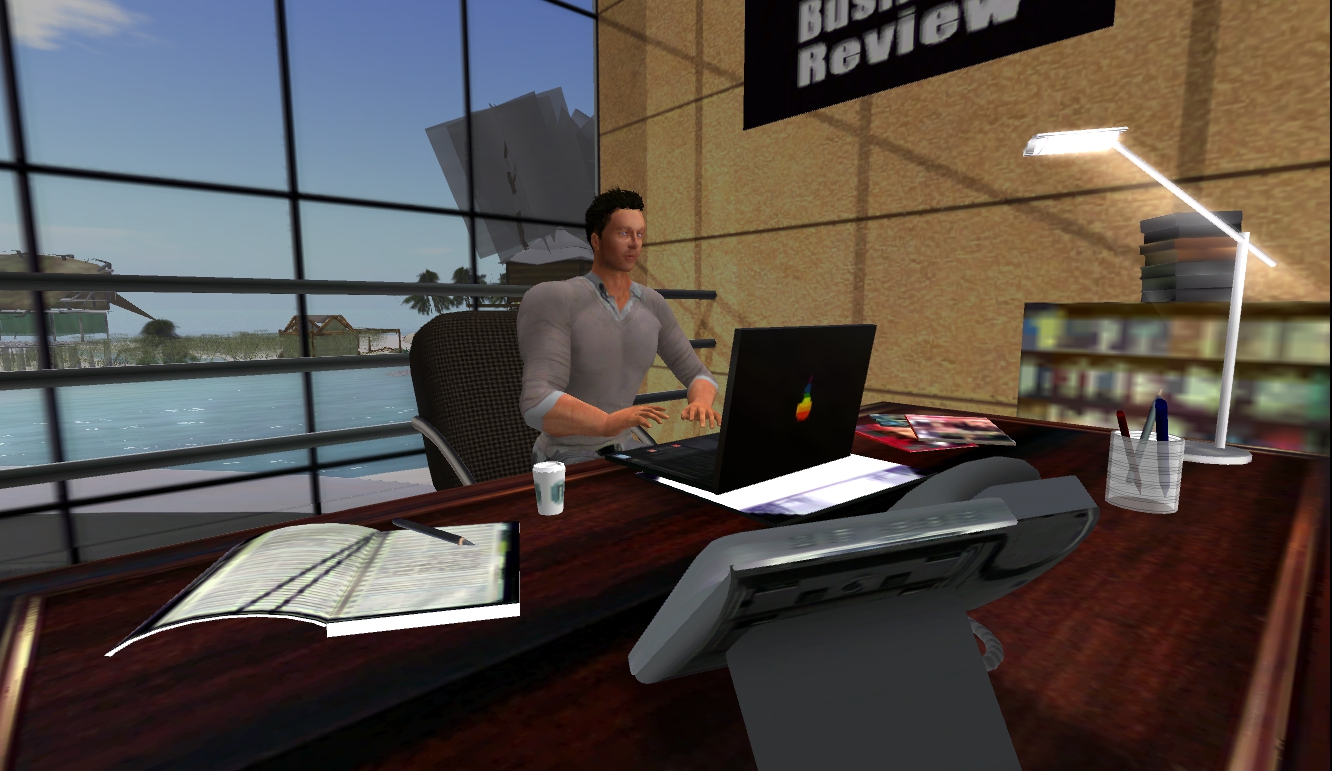
Bill Kaye cringes.
In the year and a half that I’ve been on Second Life, few days have passed without a login. Since I left Help Island, I have been fascinated by what has already been established in this virtual world and the people who built it from its beginnings.
I’ve wandered sims in awe wondering how this society developed and spent countless hours dwelling on its unyielding potential. I read that some people earned a real life profit, which admittedly, piqued my curiosity further.
Yet I wasn’t quite sure how to breakthrough the class system of SL. My RL experience in publishing naturally led me to writing, photo editing and entertainment. SL Business Review is an extension of my hope to contribute to a society that I truly believe has plenty of potential.
For many people, including myself, profit is secondary, if at all a priority. For others, that’s their main priority. But I appreciate every contributor in that wide range.
In my reporting and many general conversations with virtual entrepreneurs along all rungs of the SL ladder, I’ve heard a lot of disappointment about the current state of the virtual “ecosystem” (as my Senior Editor, Sachi, likes to call it).
If I could paraphrase a large swath of my interviews, the common quote would be that business in SL “isn’t what it used to be.” Of course, any Resident with access to a comment thread could gauge that. So as a reporter, I’ve tried to either back this up or negate this sentiment with statistics. There are problems with that approach.
The fact that Linden Labs discontinued releasing its quarterly and annual economic reports in 2011 certainly doesn’t help. As Tateru Nino reports in her must-read blog, Dwell on It, these reports had been stripped of their most relevant information.
In addition, the statistics themselves became breeding grounds of contempt. What statistics should we really consider? How accurate are these statistics anyway? Both of which are valid questions, but often broke down civil debate. It makes anyone without an economics or an MBA degree extremely apprehensive of trying to create a synopsis of the environment for current and aspiring entrepreneurs.
Established entrepreneurs have experienced what has transpired since 2008. Yes, the “virtual economy” has shrunk in many areas due to policy changes in land, and the bans on banking and gambling. For anyone who has been on SL that time, it’s easy to recognize the change.
For anyone catching up, it’s difficult to understand the effects those policy changes had on the market at the time and since then. Almost certainly there are still people out there who would value knowing what has affected our past and continues to affect our future.
Despite the palpable cynicism that still runs amok, I believe the best talents of SL want to learn and teach from one another for the common good. That’s ultimately how this alternate reality came about. And it’s what allows us to continue to exist.
My goal with this column in each issue is to connect those two sects of the population and hopefully inspire some civil discussion. In my next few columns, I’ll probably tread on a lot of ground that’s already been covered, but it’s meant for the benefit of those who want to learn but don’t know where to start.
Bill Kaye
Editor in Chief






 inKLine Media